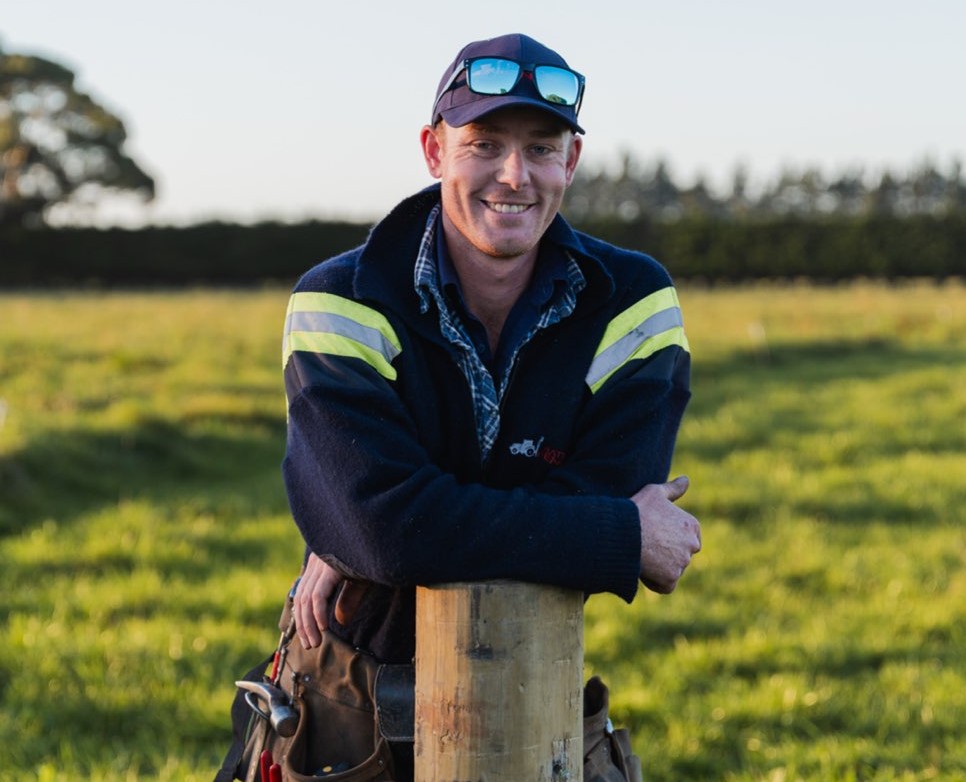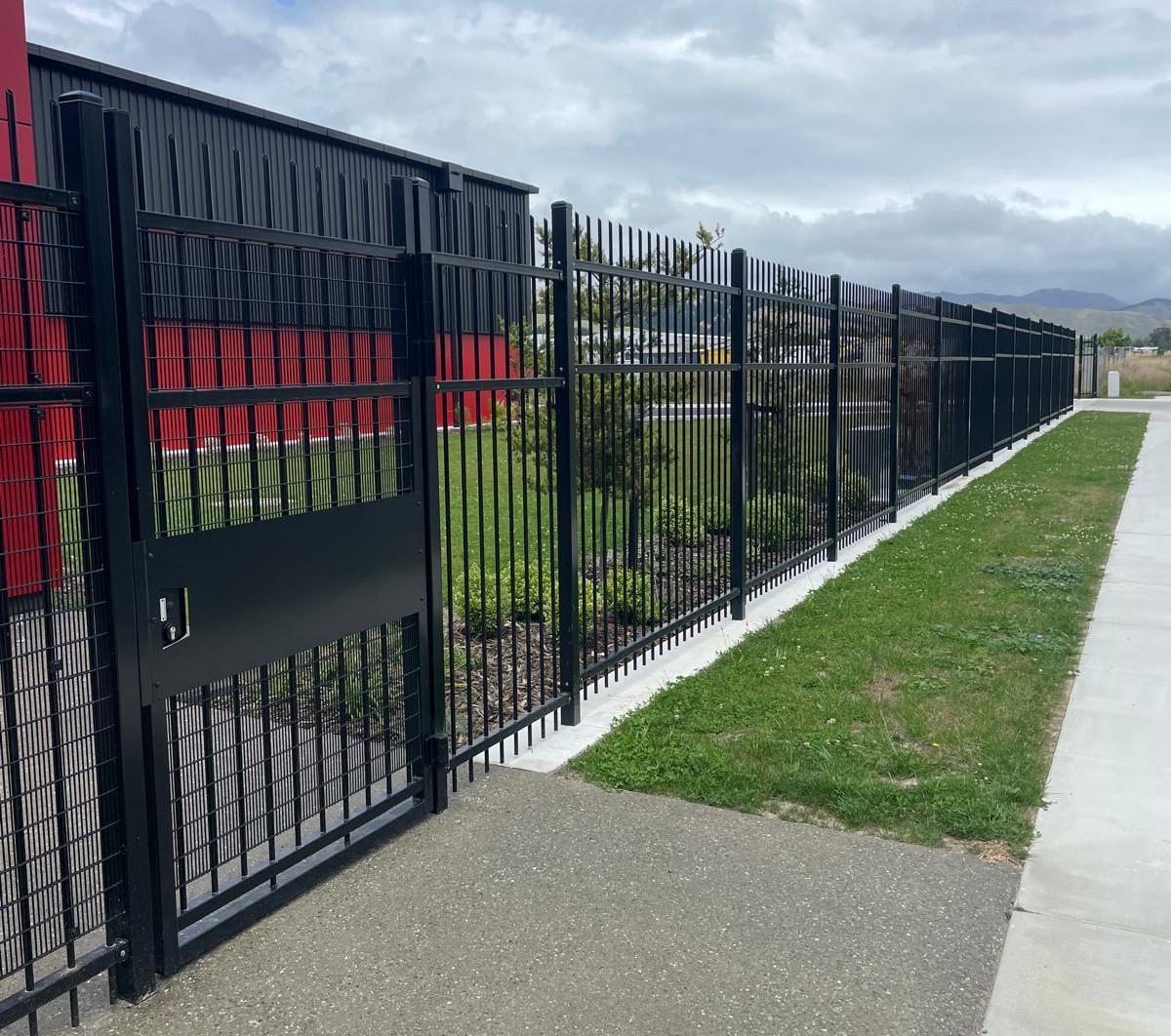
Renner Fencing Contractors is known for handling complex commercial and viticulture fencing projects across Marlborough and beyond. With four crews on the ground, the business delivers security, viticultural, residential and rural fencing.
One standout commercial client has been Calder Stewart, through whom Renner Fencing has completed work for Bascik Transport, installing depot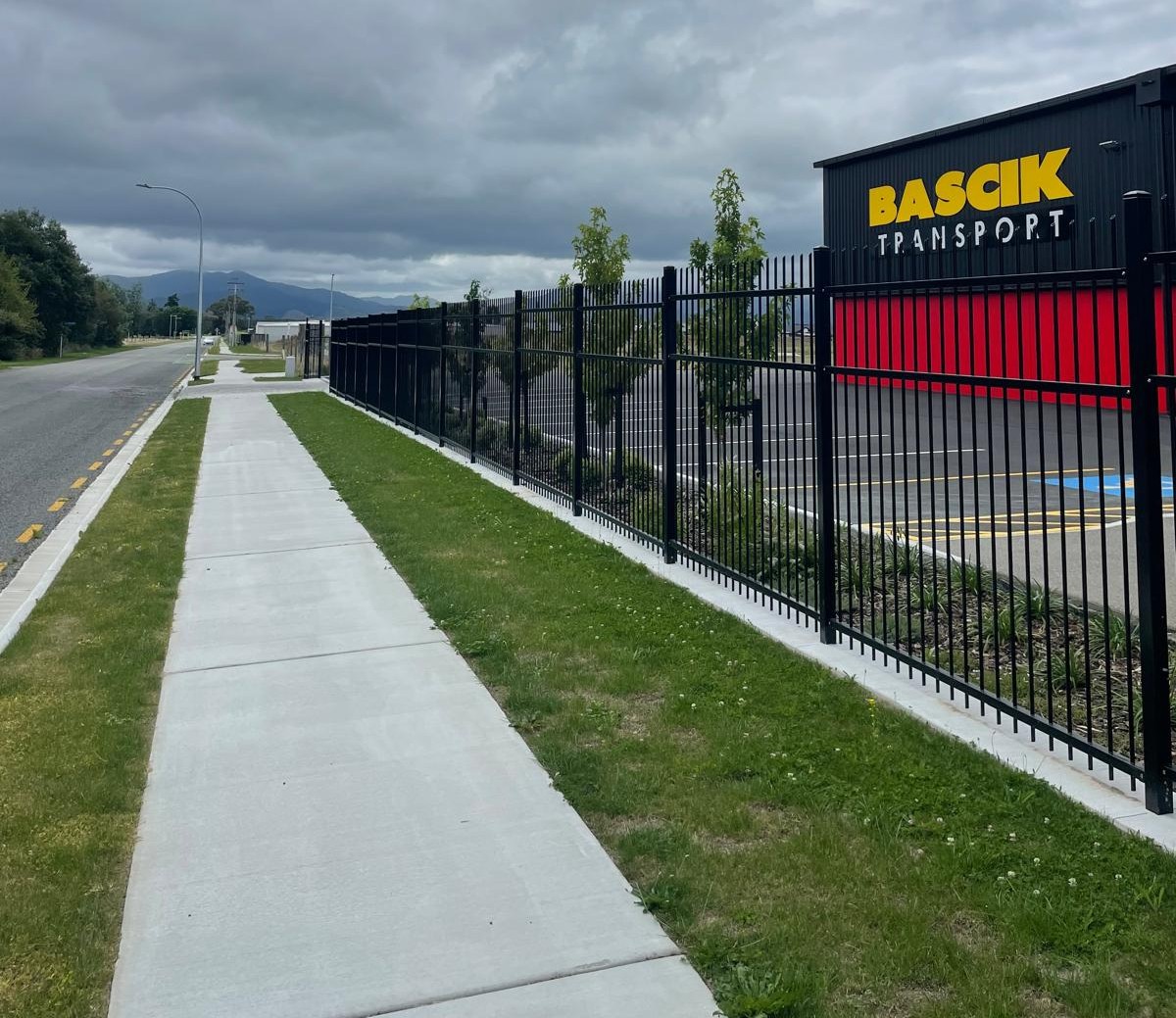 perimeter fencing for both its Nelson and Blenheim depots.
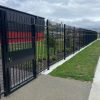
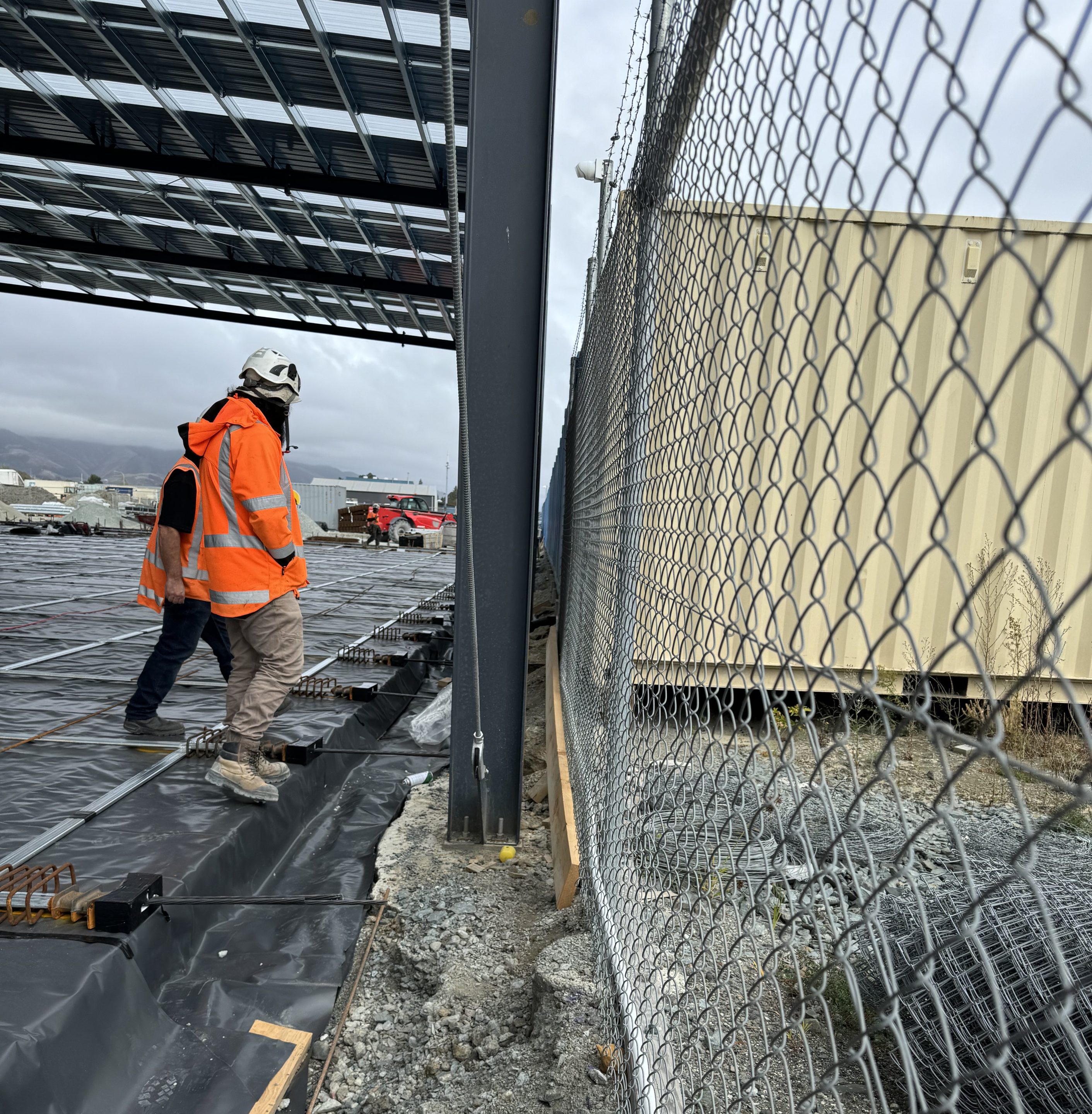
The frontage features 2100mm-high black powder-coated Chiefs Panel supplied by KC Fence Systems and manufactured by Edgesmith. The remaining perimeter is secured with chainlink fencing topped with three strands of barbed wire.
The Nelson site was particularly challenging, featuring a boundary line with multiple obstructions and, on one side, a narrow 100mm gap between the fence line and neighbouring shipping containers. There were also the logistics of working away from home for the crew, which Mike said added to the complexity of the job.
By contrast, the Blenheim depot was a more straightforward rectangular site, which was completed on time. “Both projects had the same end goal – a really sharp-looking commercial fence.”
Mike has recently been awarded a third Bascik Transport yard through Calder Stewart, installing fencing at their Palmerston North depot. “They are a great client to work for, and the finished job looks really good.”
Viticulture – a core business focus
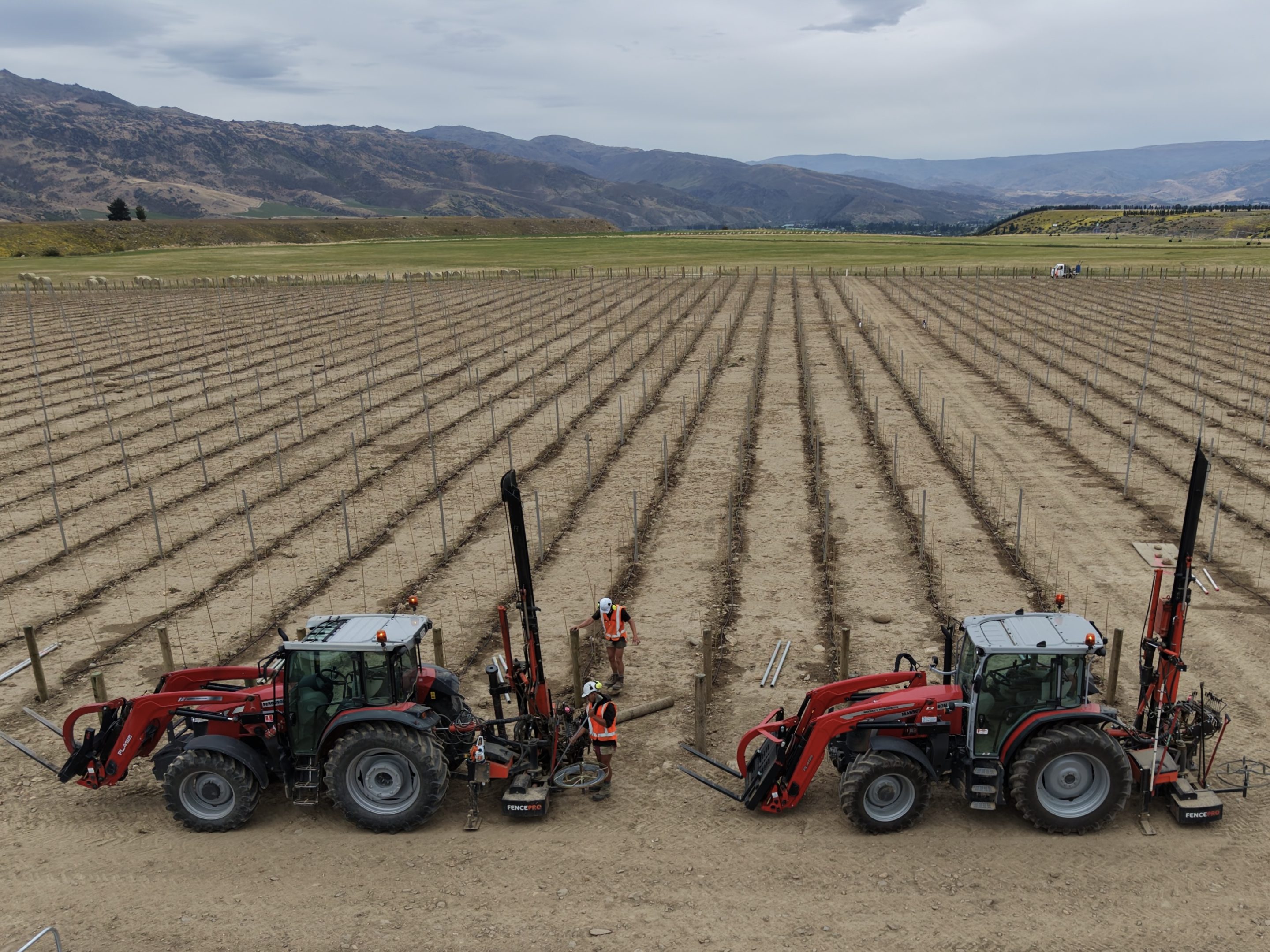
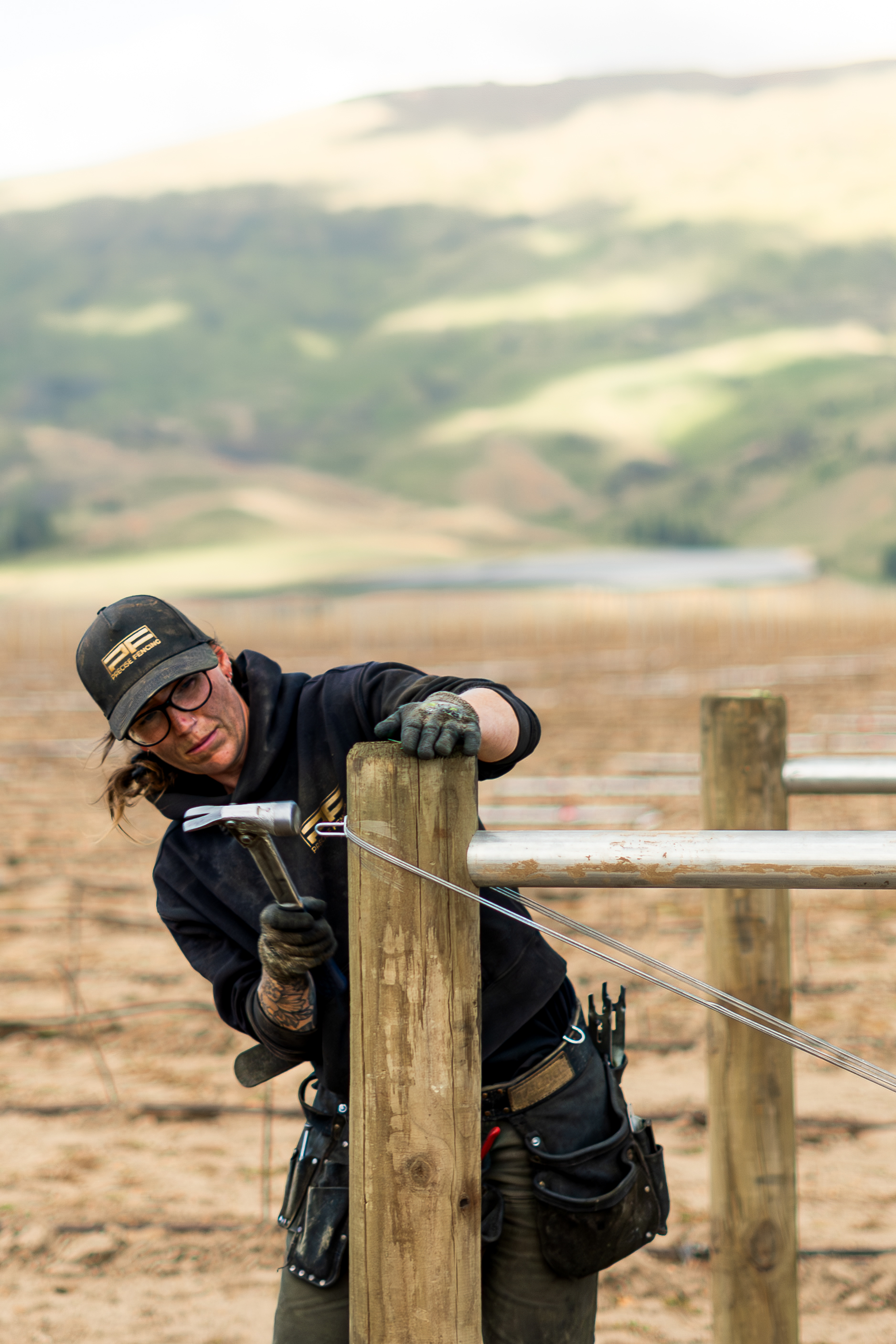
Viticulture fencing is a major component of Renner Fencing’s workload. Crews handle full vineyard development, redevelopments and maintenance,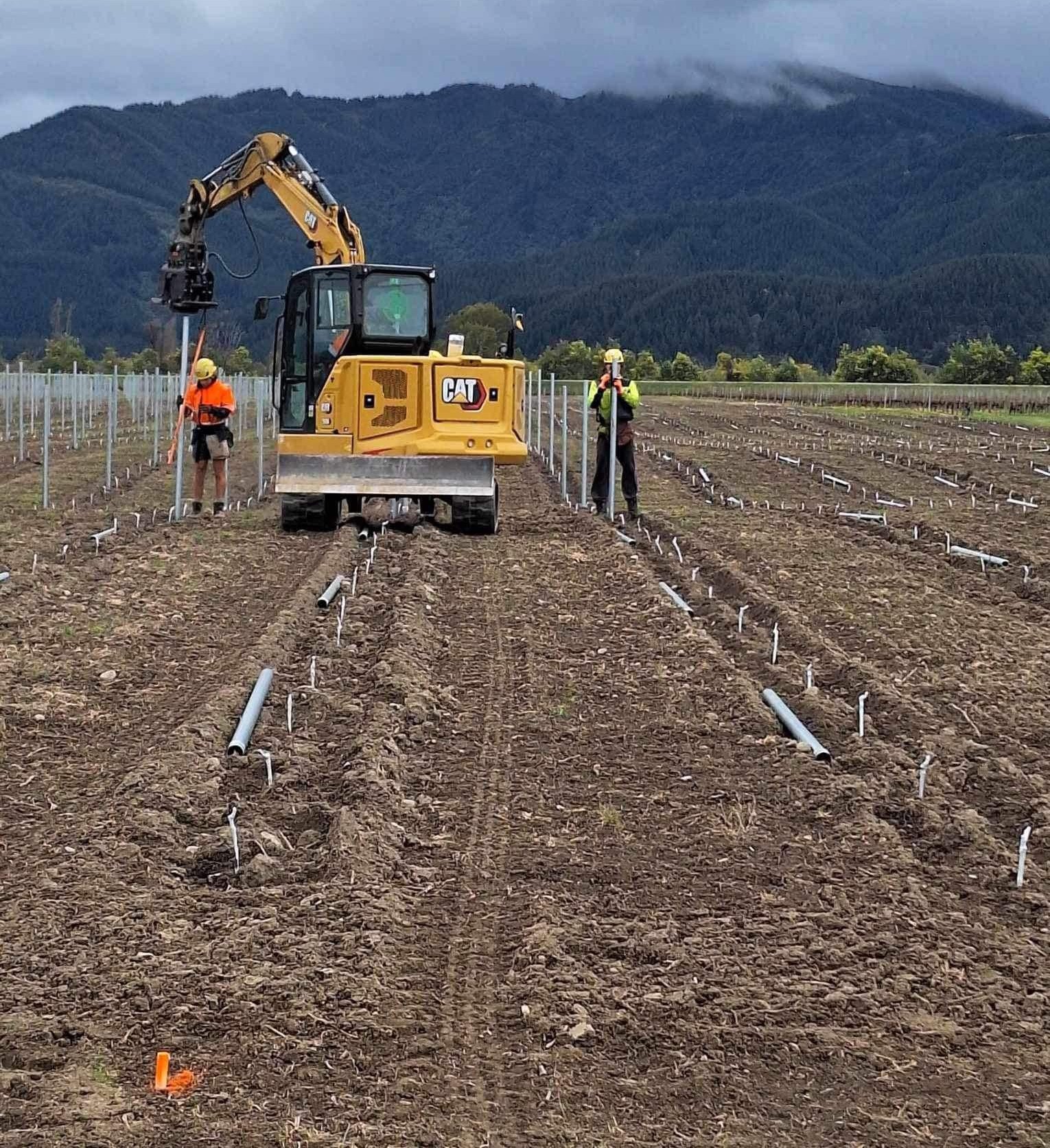 from post layout through to intermediate posts, strainers and stay assemblies.
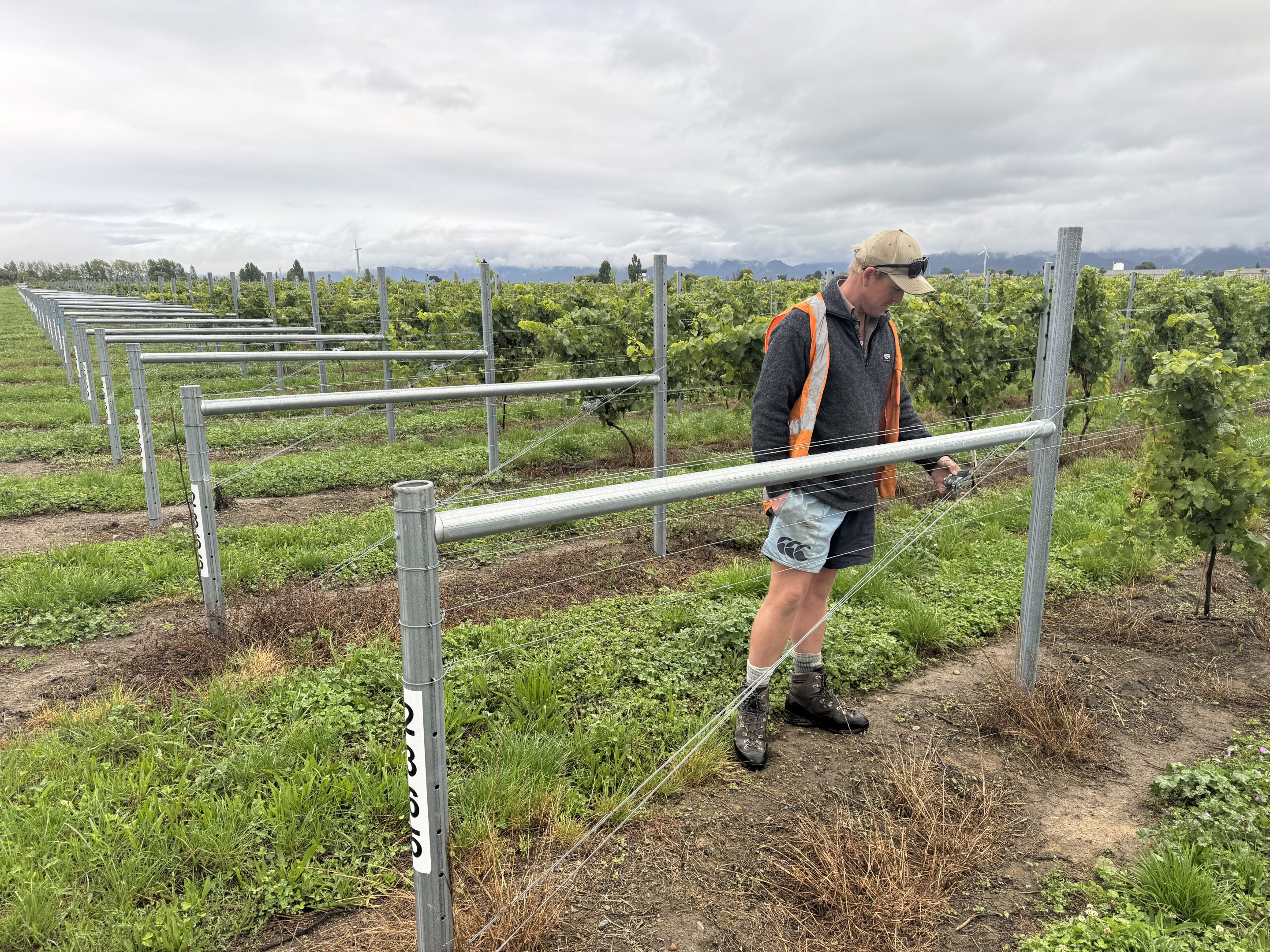
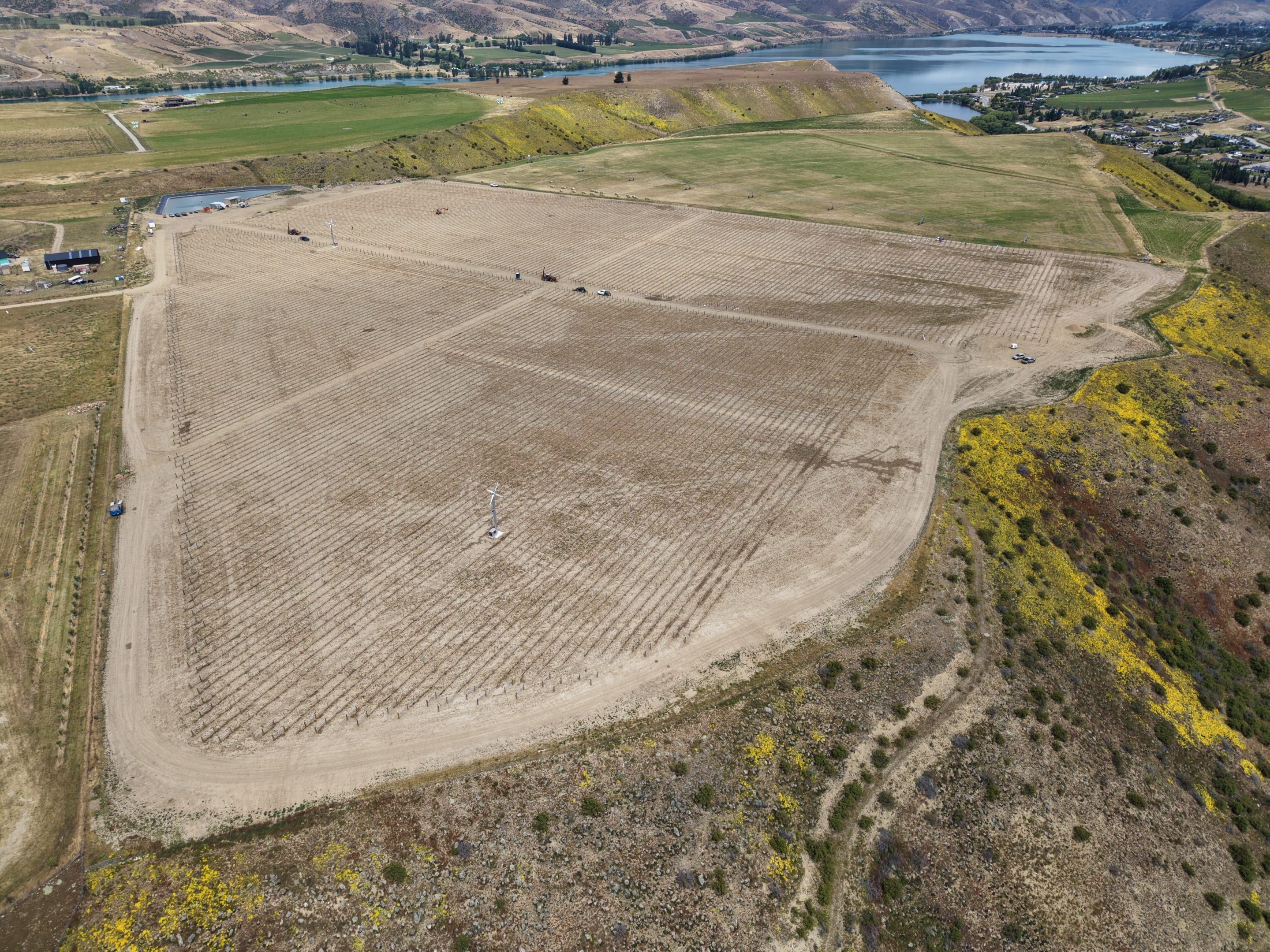
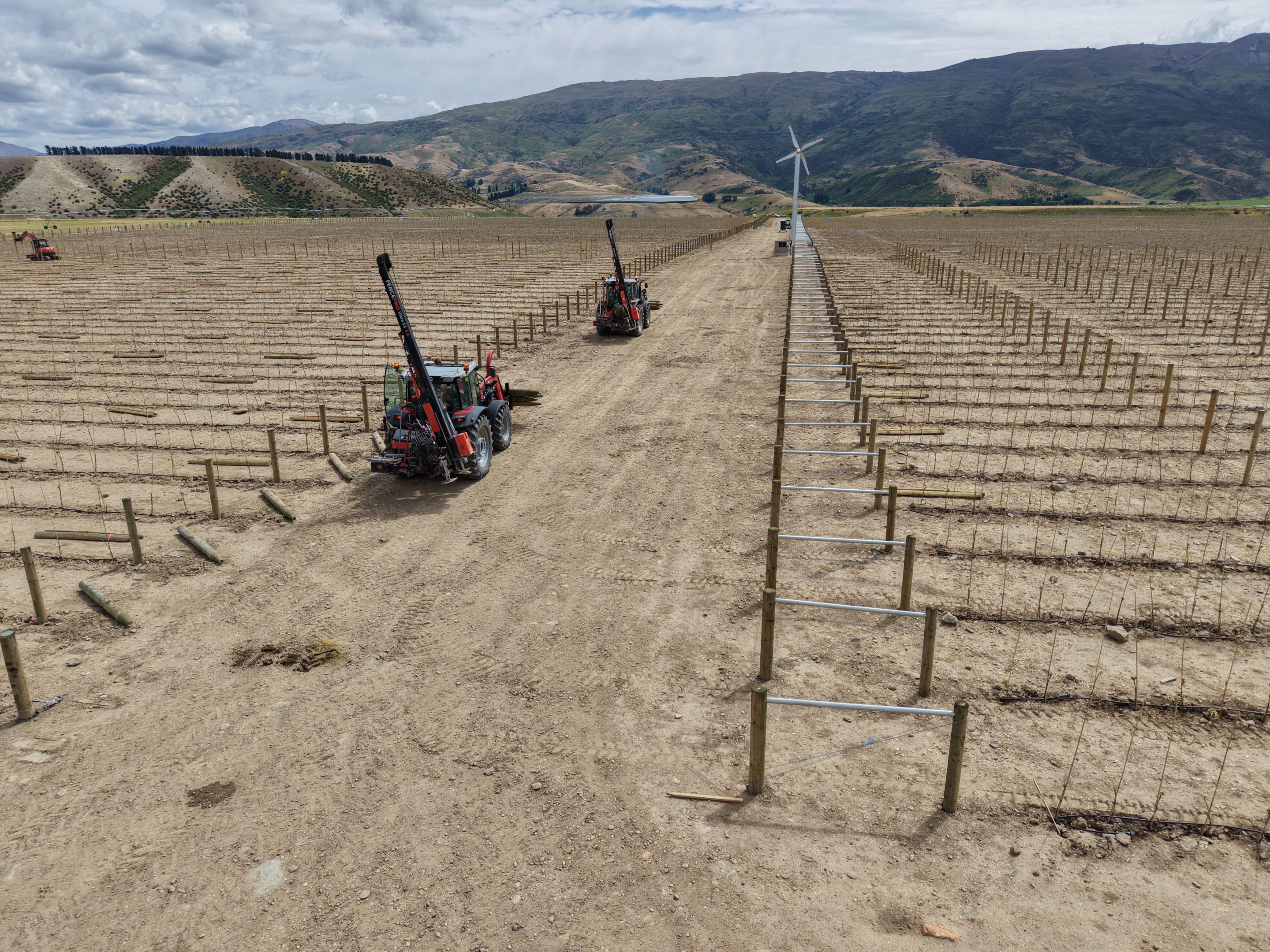
A recent 15-hectare vineyard redevelopment project involved replacing older wooden infrastructure with steel Eco Trellis, installing around 8,000 intermediates and 380 box strainer assemblies.
To manage labour challenges, Mike outsources intermediate post installation to a Fijian crew, citing high turnover among local staff due to the repetitive nature of the work. “You might train a group of young local guys to do the intermediates, but they’ve usually gone and found something better to do after one round of that!” he said, laughing.
An incentivised pay scheme – offering bonuses for completing more than 2,000 intermediates driven – has proven effective for his Fijian crew. “They’re getting very efficient now,” Mike laughs. “I might need to lift the target for the bonus.”
This 15ha job wasn’t without its complexities. Narrower row spacings compared with the original layout meant some new strainers landed close to old post holes, causing issues with strainers diverting away from the new line. The solution was to refill and compact the old holes to provide a solid base.
Material selection is evolving alongside innovation, with steel and wood now used in equal measure. Steel can be faster for crews to work with, making jobs more economical, but Mike explains that much of the remaining Marlborough viticulture land is hard, stony ground, where steel posts can bend or become difficult to install. Mike often fields calls from developers seeking advice on the best materials for their ground conditions.
While 2024 was a strong year for vineyard development, Mike says 2025 has been quieter, with 2026 and 2027 expected to follow suit. “Diversification has been key,” he says. “When one sector slows, the others keep our crews going.”
Family graft key to growing business
Renner Fencing stretches back to 1968, when Mike’s father Terry began fencing in Marlborough. Like many rural operators of the time, fencing wasn’t his only focus. He worked on the family farm and also ventured into shearing.
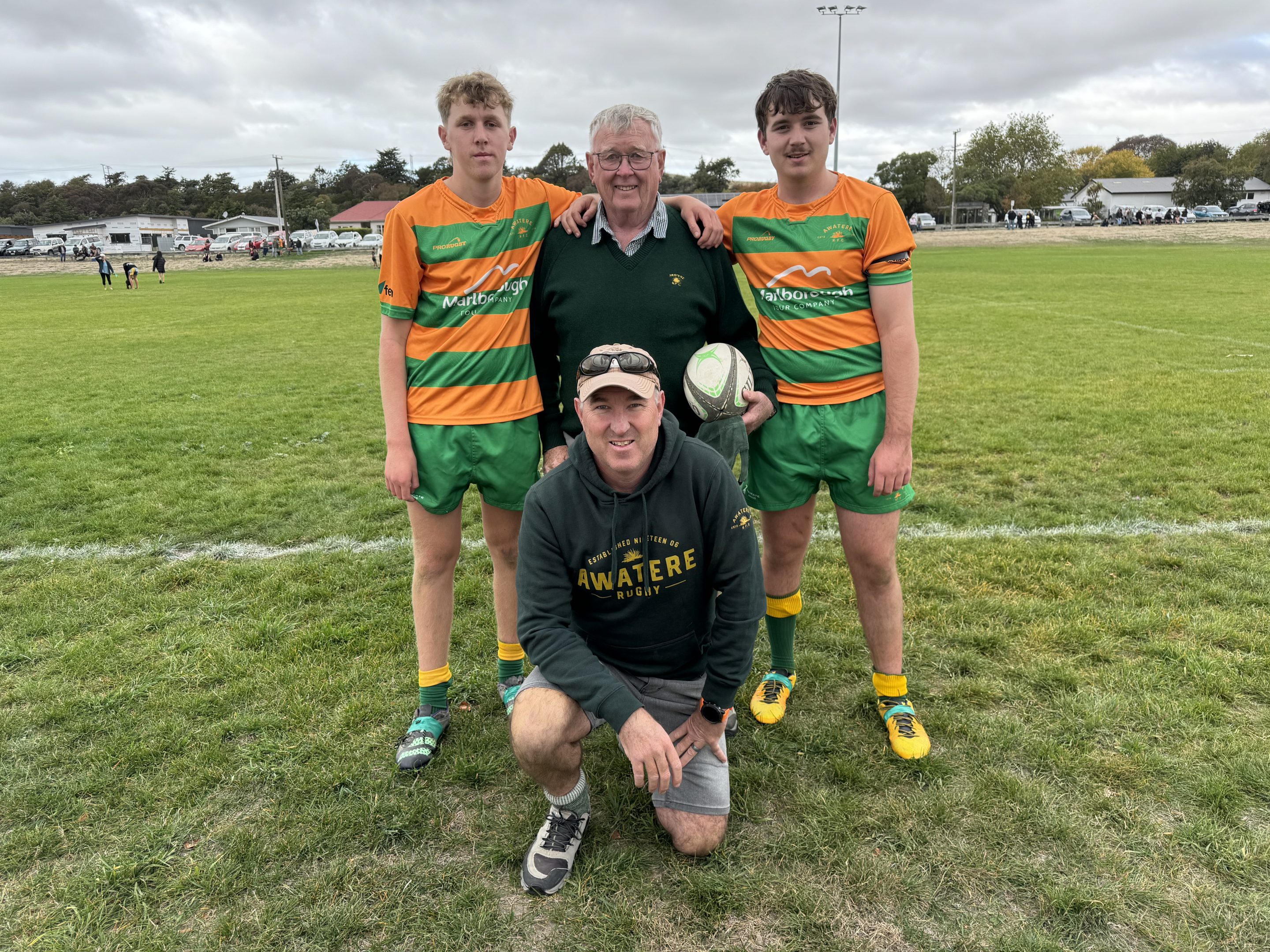
By the mid-1990s, Terry had purchased a shearing run which came with seasonal shearers and shed hands. This expansion led to the establishment of Renner Contracting Ltd in 1999. The shearing run was then sold, a turning point that allowed him to focus on fencing and farm management work.
The company took another step forward with the purchase of its first tractor, the lease of a second, and an investment in two Taege post drivers. Vineyard development work soon followed, aligning the business with Marlborough’s expanding viticulture industry.
Mike and his brother Brad both left school early to work full-time. Brad left at 15 in 1991 to help with fencing at Muller Station, and Mike was pulled out of seventh form after his First XV rugby season ended to help his father and brother.
Both brothers worked at the freezing works and fenced in the off-season. In 2001, Mike headed overseas on his OE, fencing and shearing in the UK.
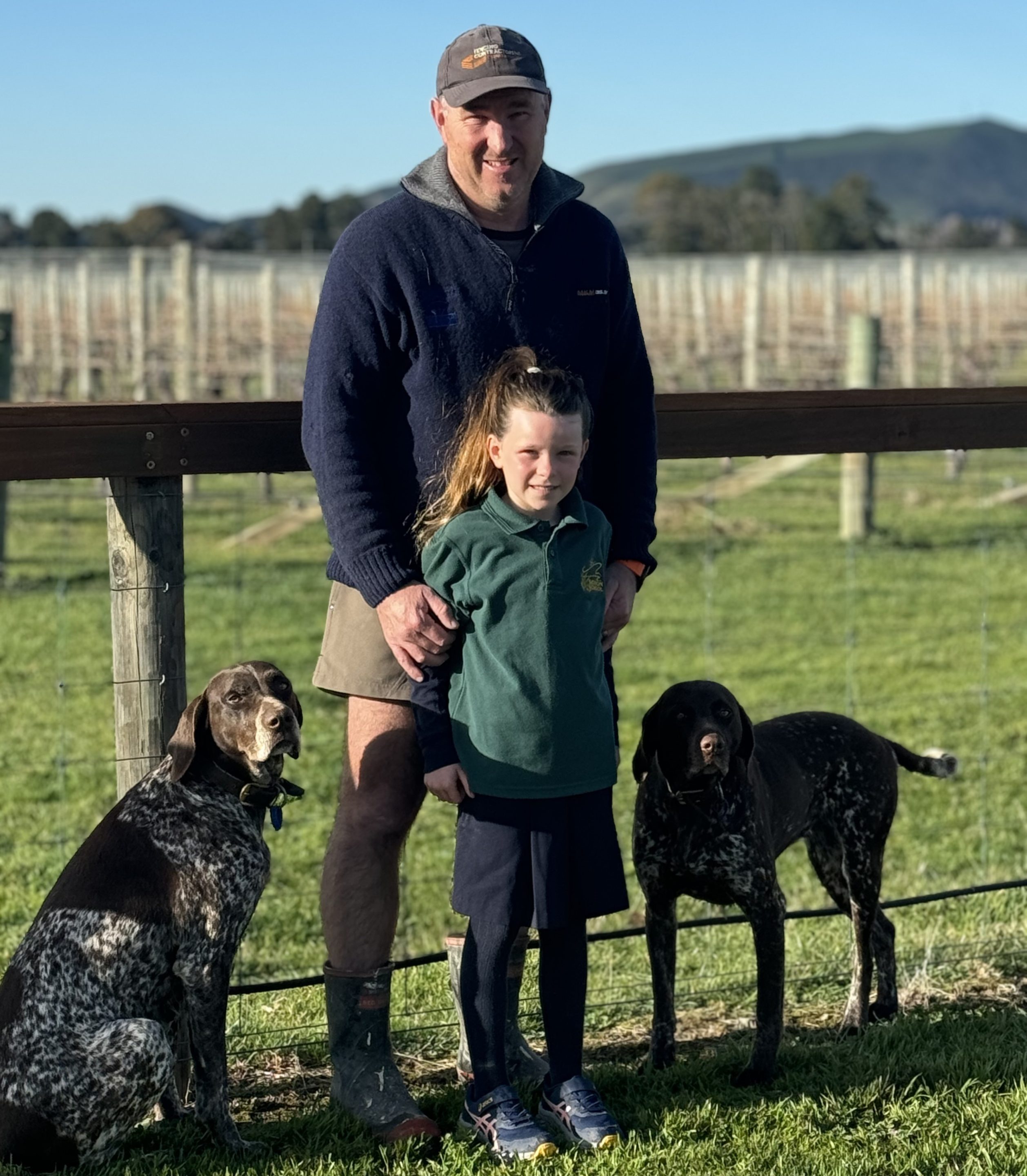
Time spent in Scotland proved especially valuable, where he gained experience in residential fencing. On returning to New Zealand, Mike established a residential fencing crew within the family business. Further training through KC Fence Systems later expanded Renner Fencing into security fencing.
When the freezing works closed, Mike and Brad bought into the business using their redundancy payouts. Ownership structure has changed over time, with the three families now each holding a third share of the business. Over the years, the business has steadily grown, specialising in vineyard development and fencing, and employing up to 16 staff at its peak.
In 2012, Mike took over quoting, initially handling it after hours while still fencing full-time. With the support of a business mentor, he eventually stepped away from the tools to focus on management. “It was pretty all-consuming trying to do it all,” he said.
Today, Mike oversees new quotes, client meetings, material ordering, staffing, invoicing, and health and safety. His wife, Olivia, manages data entry, account reconciliation, invoice payments and wages. Brad remains very much on the tools in the business, running one of
the crews.
Managing four crews spread across Marlborough can be challenging. “It would be good to eventually establish a central yard and office to allow for regular toolbox meetings, and I think that would help us stay connected as a team a bit better,”
he said.
“At the moment, I try to pick a day and time when most of us are going to be within close proximity to each other to have a catch-up, but it can be hard when there’s a bit going on.”
Technology helps, with a mobile app called Tradify used for quoting, job assignment, timesheets and invoicing, which then feeds through to Xero. Mike sees potential value in integrating a health and safety tab into the programme. “The guys already use Tradify every day, so they would probably get into a good habit of entering risk management and pre-starts.”
He has tried in the past to get his staff to use another health and safety app, but found it wasn’t well adopted. “Those programmes are only as good as the information going into them. We are pretty old school in that aspect – we’re good at keeping ourselves safe on the ground, recognising and minimising hazards and risks – but the recording of it all is where we need to get better.”
Engaging business mentor Daniel Fitzpatrick around a decade ago proved transformative for the business’s bottom line. Gross profit improved from about nine percent to between 20 and 30 percent, with turnover averaging $3.4 million over the past three years. “Getting a mentor has been absolutely worth it,” he said. “This year we have downsized and will be around $2.5 million turnover. Net profit is still looking about the same, and that’s the number to keep an eye on. As they say: production is vanity, profit is sanity.”
Written by Alice Scott
Published in WIRED issue 80/March 2026 by Fencing Contractors Association NZ
You may also like Strainers and stays by the thousands
Read WIRED online
Follow us on Facebook
© Fencing Contractors Association NZ (FCANZ)
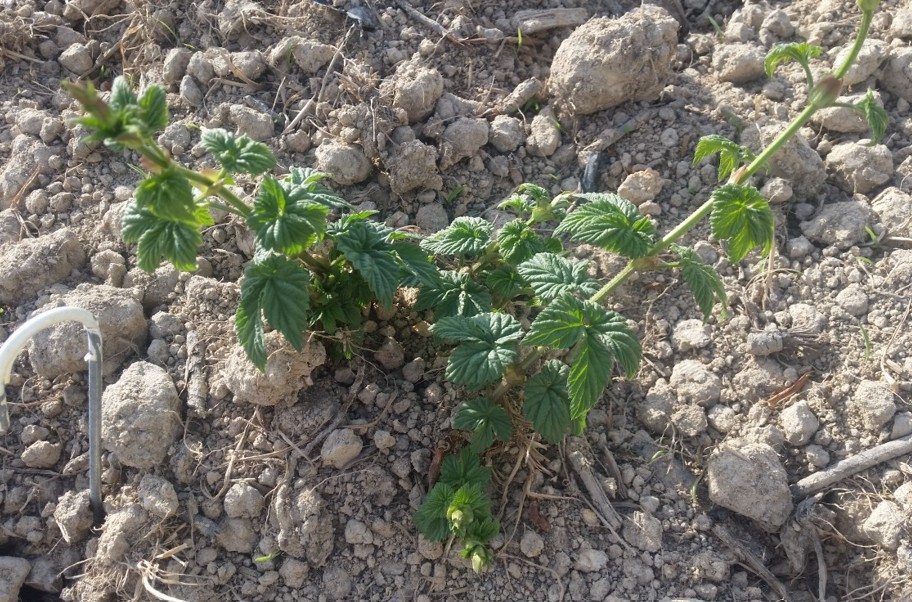
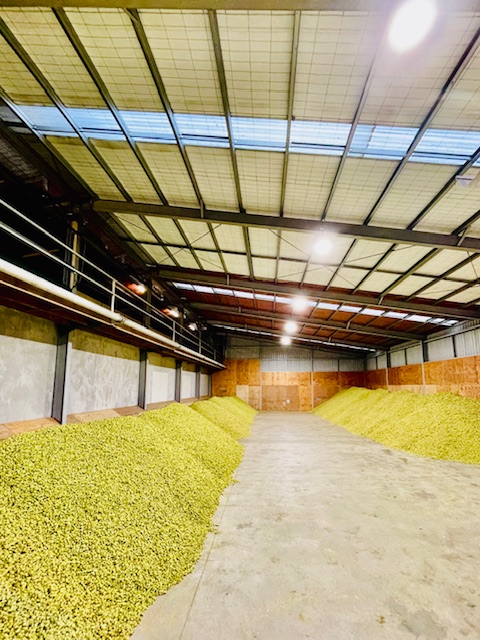
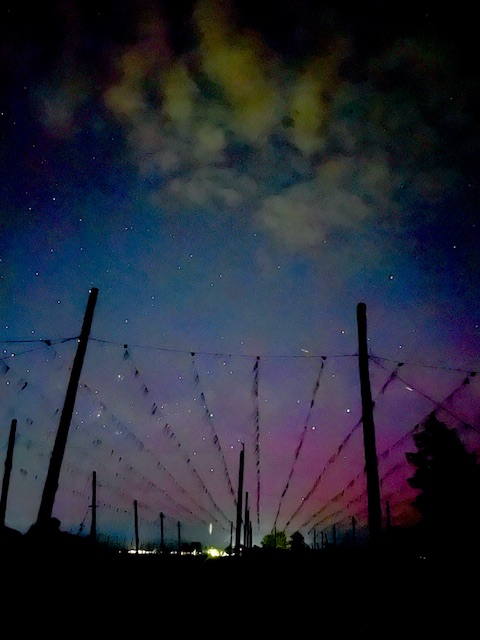
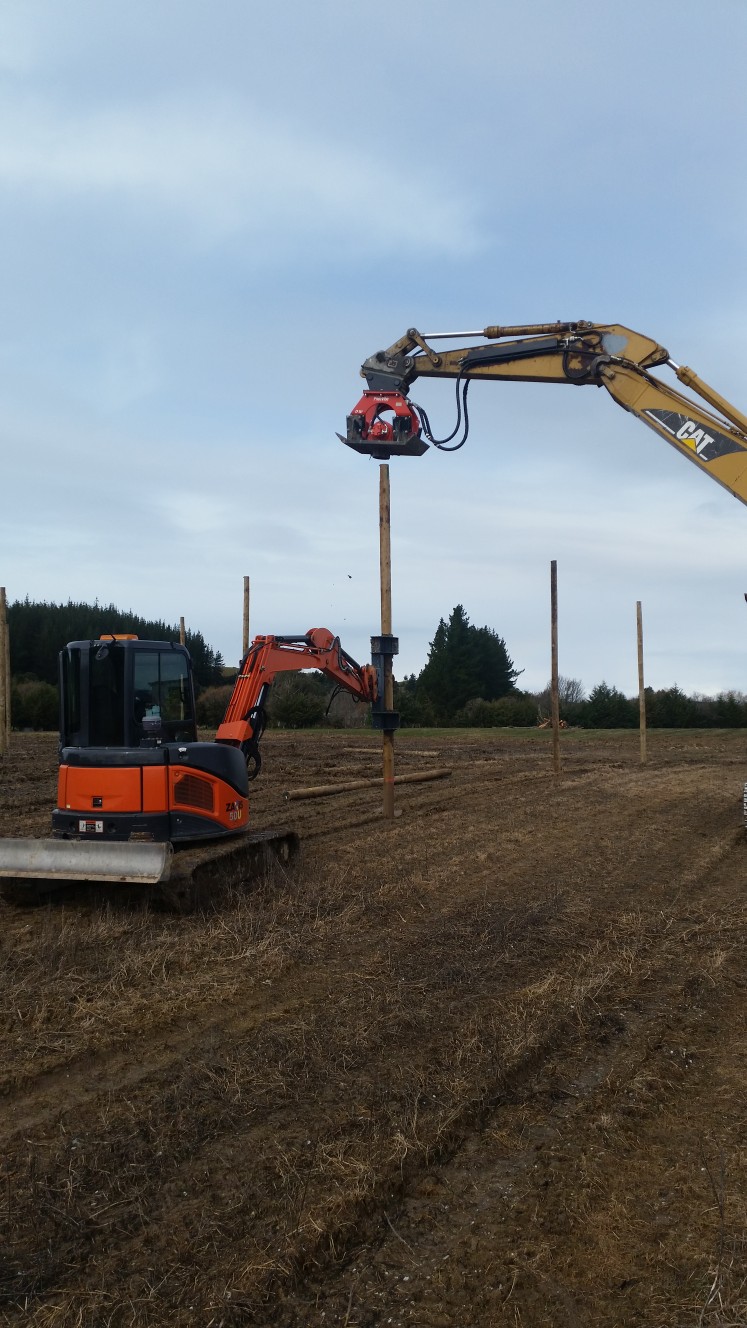
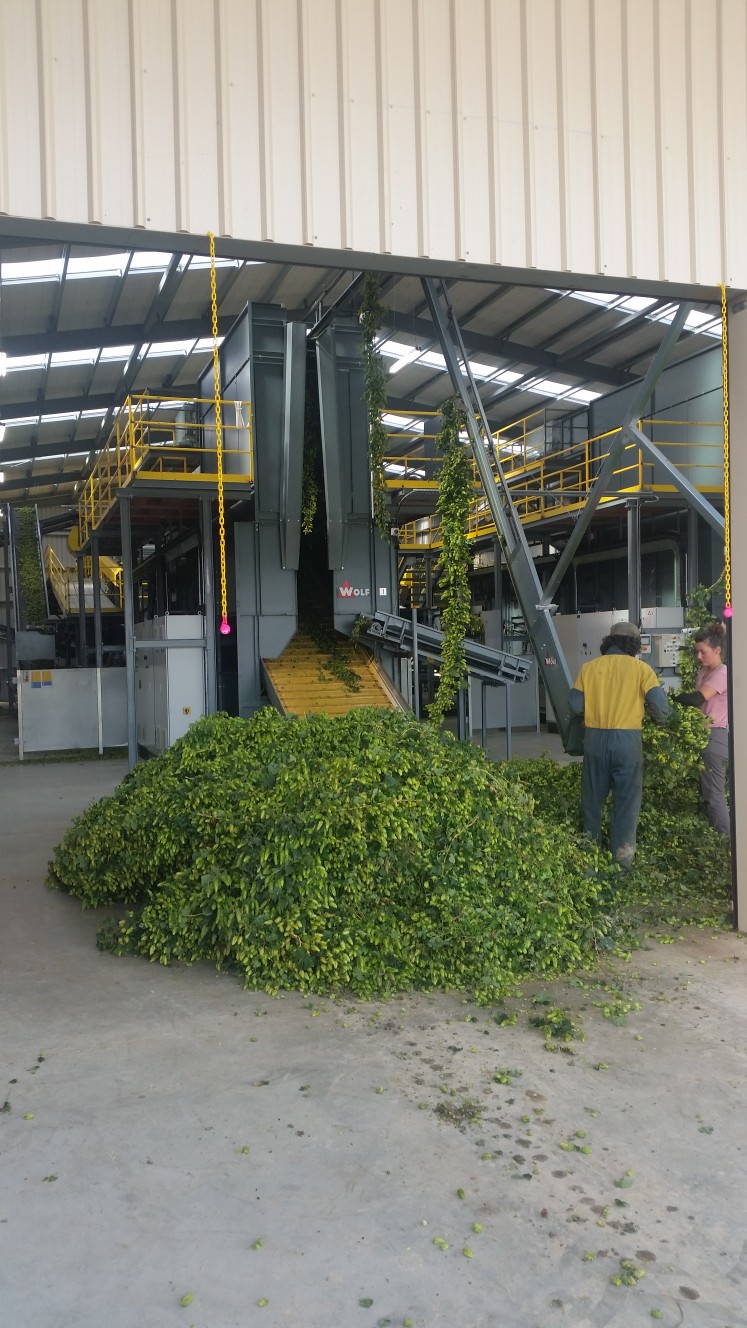
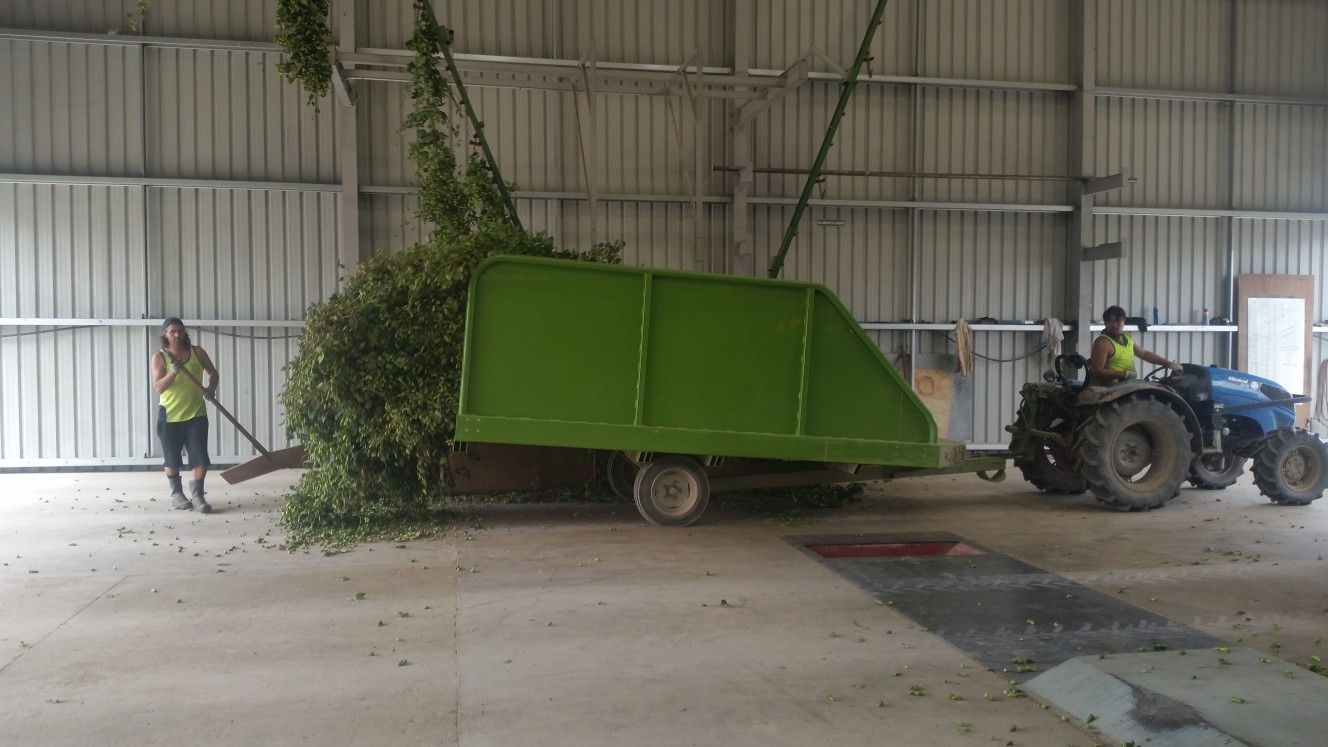
 So, with the 2026 harvest starting at the end of February for the hop growers, you can guarantee they will be focused on efficiencies in their operations. Quality has been exceptional in the last couple of years, and that must be maintained to hold a very high bar in the world of hops (New Zealand only produces 1.5% of world production).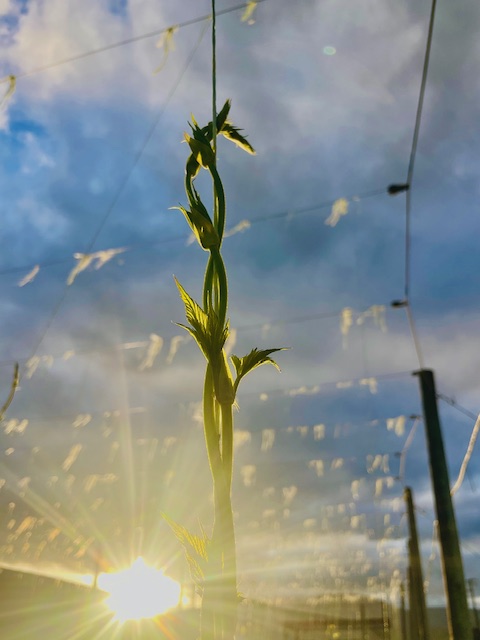




 the older version of you needs to do the same, to be the best you can be for the many aspects of your life now.
 So for me, the focus has changed. The work we do in the mental health space needs me to focus more on what makes me happy. Supporting my family, a bit of fishing and hunting where possible, and of course the knowledge that what we do matters. (If anyone is looking for a mate on a boat or for a wee hunt, please let me know, shameless plug!).