Posted on

Wiggy’s World – December 2025

It’s that time of the year!!

I write this six weeks out from Christmas, knowing that the WIRED magazine hits your mailbox prior to Christmas!

Most of rural New Zealand finds the pressure to have everything done by the statutory holiday period increasing as we get closer to the break. Then there’s the frustration around the lack of trading hours during the festive season. Along with that is the increasing FOMO (fear of missing out) as others celebrate their breaks and holidays on social media, as we may find ourselves committed.

The thing is to plan and contextualise each issue or thought. Plan as far out as possible to prioritise the tasks that must be done prior to the break, and try to achieve those within your control to the best of your ability. Remember the old adage, “Will it really matter if it doesn’t get done?” And just like you need to get extra milk or bread for the break – what do you need to organise prior to the holiday period to allow your business to function?

Making lists and ticking things off gets them out of your mind and allows for a level of preparedness that can lessen the anxiety levels you may feel!

The most important part of ‘the Season’ is giving. Often, we confuse giving with the demands others may have. “Dad, I want a new cell phone for Christmas”, or “Can I have some new Lululemon shorts?” (look them up, they are the trendy clothes teenage girls want) can probably be heard across the nation right about now.

But for me, this is hollow giving. Find someone who really will appreciate the effort you make to help them out. Cook a neighbour a meal, drop some unwanted clothes off at the Red Cross, or volunteer in some way. Take the Lululemon wearers with you, or involve them in an act of kindness. There is a lot of loneliness and isolation around at Christmas, so reach out to those who may just be in need of company. The wave you put out is the wave you will get back in! The best thing you can do for your own mental wellbeing is to give to someone else. Believe me, it works…


A trap we can fall into without realising it is to compare our lives with the social media lives of others. When you’re hard at work while others play, it can leave you feeling disappointed.

We can’t live anyone else’s life; we don’t know how they got to do what it is they are doing, just as they don’t know why we are doing what it is we are doing. Some people would give anything to sit on the side of a hill with their family and a picnic, enjoying the view and connections that are being made. The simple things in life are often the most valuable. Not the boat, the bach, or an overseas trip – they are a cost, and often a commitment rather than an asset.

So, this ‘Season’ achieve what’s achievable and available, prioritise the important things, and plan not only the work that needs to be done, but the time to connect with those in need or may need you!

Recently FCANZ had a Best Practice Day here on our property in Ashburton. The camaraderie and conversations, the learning and sharing of knowledge and the bunch of good buggers I got to share the day with was awesome, and I recommend to those contractors that attend these days to bring a mate. Especially a fencing contractor, member or not. It’s a great way to celebrate what we do here, and to involve those on the fringes of the fencing world. A big thank you to the industry partners who give so much to these days as well.

FCANZ was also well represented at the Ashburton A&P Show with the fencing module at the Clash of the Colleges. Board member Scott Heasley and former Board member Lindsay Hayman put the 180+ students through their paces, with many showing more interest after the event.

Recently, the Whatever with Wiggy Charitable Trust purchased a large gazebo to use at events and to support other organisations that may need a covered area. Some of the money donated at this year’s conference went towards this gazebo, and so the FCANZ logo is proudly displayed on the roof apron for all to see. Again, I say thank you to the many who have supported our work, and I’m proud to celebrate that support anywhere we can!

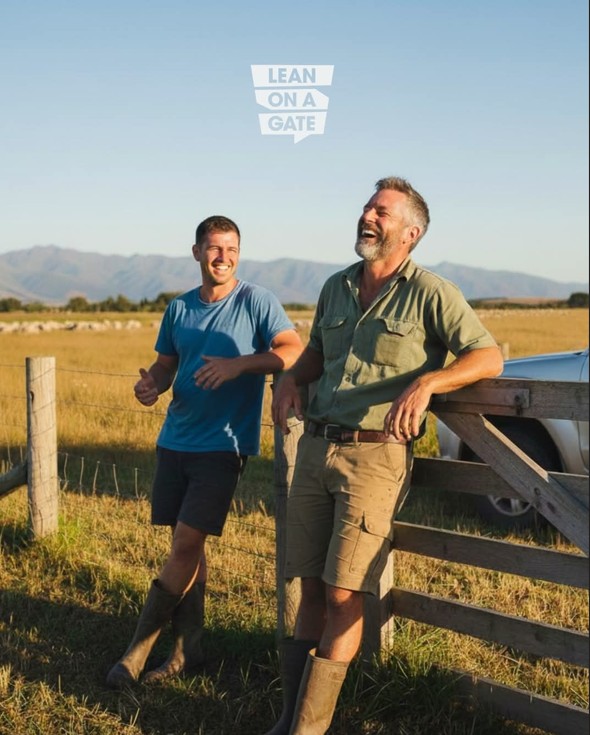
Enjoy your Christmas in all ways possible – stand close to your mates and loved ones, and remember the good times with those who may share the same memories. Know that we are often luckier than the social media posts we see, and reach out to someone who might just want to…. Lean on a Gate and Talk to a Mate!

Published in WIRED issue 79/December 2025 by Fencing Contractors Association NZ

You may also like: Wiggy’s World – September 2025

Read WIRED online
Follow us on Facebook

© Fencing Contractors Association NZ (FCANZ)
Posted on

Post and stay testing innovation

Team Kyne attended the last two FCANZ Best Practice days held in the South Island in Ashburton and Cromwell. At both events, there were a number of stay assemblies that had been set up to be tested to the point of failing.

It was a massive eye-opener and very interesting to most who were there, as to what stay assembly was the best for those ground conditions.

In Ashburton, we had Custom Fencing’s Nick Terry with his Ute, using his winch and a set of scales. This worked well as we could slowly apply more force, but we could only bring that to a bit over 2,000kg of pulling force before the Ute would start getting dragged along.

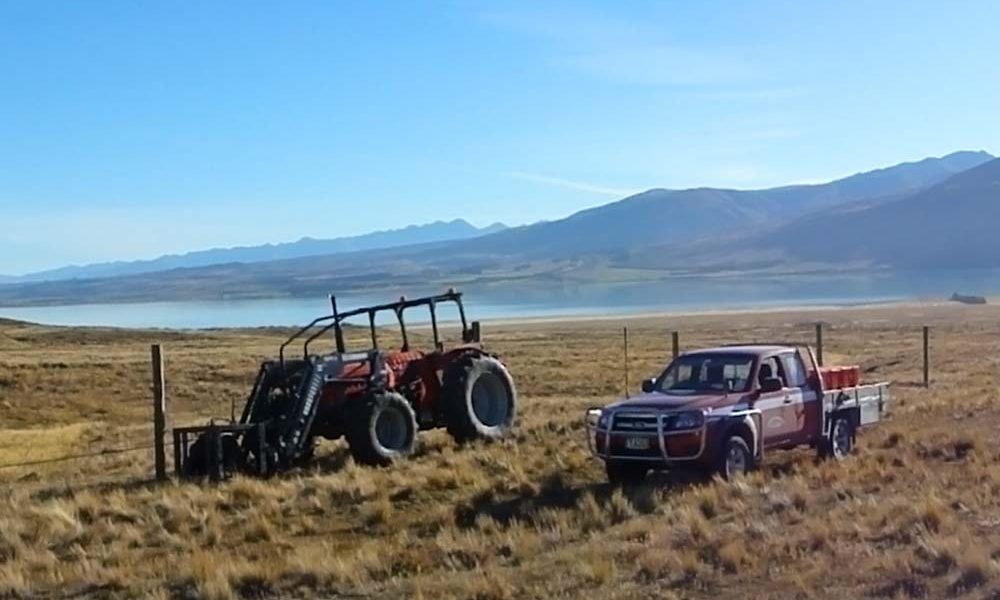
In Cromwell, we had the scales attached to the front of the MF tractor of Ruben Connelly (Precision Fencing). With some strong straps and with careful driving, he slowly reversed up. This worked well, but it was a bit hard to slowly apply more and more force by just slowly letting out the clutch. Here we got the scales to read over 4,000kg on some of the stay assemblies. It was awesome to see just how much force these end assemblies can handle.

These live tests were very informative and a great demonstration for fencers and farmers to see the best practice setup under the given conditions, and made for a great talking point on the day.

The team at Kyne decided to step in and help out by making a much more accurate way of testing them. We needed something that had lots of power and where the power could slowly be applied and not move.

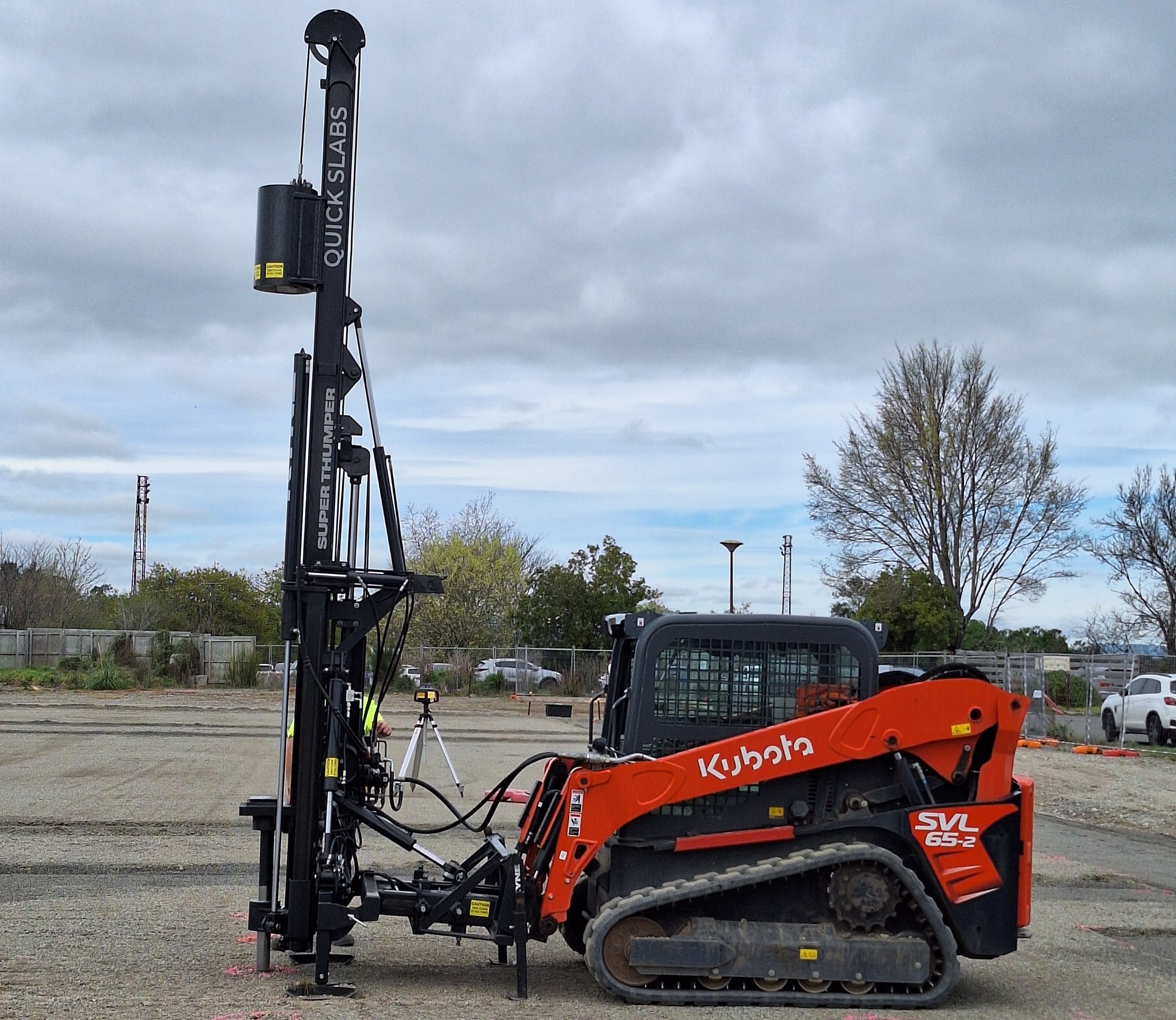
Our team got together and manufactured a purpose-built Post Testing attachment and donated it to FCANZ to use on the Best Practice Days. The Post Testing attachment has nearly 8 tons of force and can be used for both vertical lift testing and horizontal pull testing. Being hydraulically operated, we have full control by simply slowly pulling on a lever to increase force, thus giving us a much more accurate test.

The Post Tester was first put into action at the Feilding Best Practice Day. It was operated on the back of Burne Maxted’s tractor (Maxted Fencing), and we tested approximately 10 posts with a vertical pull, to test different footing methods.
Once again, it proved to be a great talking point and a real eye-opener to see which footing system was the best. We tested the footings with a pressure gauge fitted, so we could see which footing system works best for the ground conditions we had.

We look forward to the next Best Practice Day, where we can use the new scales to measure – it’ll be great to see.

Keep an eye out for the FCANZ Best Practice Days near you in 2026 and make sure you get there.

Merry Christmas and a Happy New Year, Team Kyne.

Supplied by:

Published in WIRED issue 79/December 2025 by Fencing Contractors Association NZ

You may also like: Weather or not we fence

Read WIRED online
Follow us on Facebook

© Fencing Contractors Association NZ (FCANZ)
Posted on

Weather or not, we fence

We’re often really lucky with the weather for our Best Practice Days (including sun on the West Coast!) but it wasn’t to be for our Feilding Best Practice Day. Thankfully, we didn’t have the rain that the hardy souls at the Hamilton BPD endured, but the WIND! So. Much. WIND!

Burne Maxted, Wilton Weeks and David Swansson were our demonstrators for the day, and due to the sheer amount of rain the area received in the lead-up to the day, the plans had to be changed at the last minute. Unfortunately, the digger driver wasn’t able to get in to prepare the ground for the retaining walls that needed to be built, which meant the focus had to shift. Luckily, that’s one of many things that fencers are great at – adjusting their work based on the weather!

The chaps demonstrated stay techniques on a strainer/angle assembly, then did some sheep netting end straining using end gripples and crimping. They also end strained the hot wires, before heading to the front gate, where Wilton demonstrated a double mortised box stay assembly.

These demonstrations were followed by discussions about the merits and applications of different types of footings, before testing the strength of each of them. The soil was still really wet, and quite loamy, so the footings behaved quite differently from those tested at other BPDs.

David from Kyne was so impressed with the footer testing we did in the South Island in September that he built a piece of kit specifically for the job (see the article on page 15). While the process of using this great piece of kit probably needs refining, it was brilliant to have it there since there had been a delay on the delivery of our measuring tool.

After lunch (which was kindly provided by FMG and cooked by Farmlands), everyone headed over to the paling fence that Wilton didn’t know he needed until the Best Practice Day. Wilton and Burne demonstrated how they build paling fences to the specifications they had followed for a school fence tender they had been working on. Many of the attendees don’t usually build paling fences, so it was an eye opener for quite a few people. The workmanship involved in ship-lapping rail joins was quite the discussion point, and the tips and tricks used by the crew to ensure a good-looking yet strong fence that could be built at pace were invaluable. The discussions about why they did certain things, and what caused them to reject certain palings was informative and interesting. It was also incredibly satisfying to see the fence go up so quickly once they got in their rhythm.

All in all, it was a great day, despite the wind making it challenging to hear at times. While some of our seasoned attendees may have seen these demonstrations before, those who hadn’t been to a Best Practice Day before said things like, “It was a good day, I’ll definitely do another one,” and “Pretty good day, contractors were friendly and easy to talk with.”

Written by Jaime Bigwood

Published in WIRED issue 79/December 2025 by Fencing Contractors Association NZ

You may also like: Stays, strainers & southern smarts

Read WIRED online
Follow us on Facebook

© Fencing Contractors Association NZ (FCANZ)
Posted on

Fencing skills on full display in the Waikato

It was a soggy, blustery day in the Waikato, the kind of weather that would have many choosing to stay indoors. Yet around 40 dedicated fencing contractors and their teams gathered at the paddocks behind Gallagher’s head office site, ready to get hands-on with the tools of the trade.

Among them was a team from Northland – Dave Lloyd (D B L Contractors) and his crew – making the long drive south. The weather may have been wet, but spirits were high.

Leading the charge was Neil Robertson, an Accredited Fencer with an impressive 50-year track record. Assisted by other skilled fencers, Neil demonstrated a full suite of fencing techniques, bringing theory to life in a way only decades of experience can.

Attendees watched as stays and blocks were expertly cut and fitted with chainsaws, breast blocks installed for strainers, and end-of-strain insulators tied with precision. Wire tensioning, joining methods, insulator installation with staple guns and hammers, footing in soft soil, and end straining were all demonstrated – each skill a masterclass in efficiency, safety, and adaptability.

Safety was woven into every demonstration. Attendees were reminded of the importance of eye protection, chainsaw PPE, wire end control, and terrain awareness. Neil stressed that quality tools make a difference – not just for results, but for personal safety. The subtleties of precision in joins, the right tension in wires, and footing techniques were all dissected in real time, giving contractors practical insights they could take straight back to the fence line.

Questions flowed freely. “How do you cut the correct angle for a stay in the strainer post?” one attendee asked. “How many twists are enough for wire tension?” asked another. Topics ranged from knot strength under extreme tension to handling loose blocks in soft ground and encouraging staff to adopt PPE. Neil and the team shared tips from decades in the field, including techniques for difficult terrain, effective end straining, and hands-on solutions to common challenges.

FCANZ Partners were also on hand – Beattie Insulators, Waratah, Gallagher, Farmlands, Summit Steel & Wire, Bayonet, Kyne and Mitchpine – bringing products, expertise, and hands-on support. They discussed insulator types, wire options, and electric fence units, giving attendees the chance to see modern fencing tools in action and ask direct questions. Their engagement highlighted the value of collaboration between industry bodies and contractors in raising professional standards.

Despite the mud, wind, and rain, the day was filled with laughter and camaraderie. The factory tour was a hit, and the hot lunch provided a welcome break from the wet conditions. Anecdotes were shared, jokes cracked, and practical wisdom passed from one generation of fencers to the next.

The day reinforced a simple truth: active engagement, hands-on practice, and knowledge-sharing are vital for developing skills and confidence. Fencing continues to evolve, and events like this, endorsed by FCANZ, demonstrate the tangible benefits of practical training, industry collaboration, and a shared commitment to safety and excellence. By the end of the day, it was clear that even in the wettest, windiest conditions, the fencing community thrives on connection, learning, and a shared love for the craft.

It was great to have Phil Cornelius, Jeanette Miller, Ben Fisher (FCANZ crew), and Debbie Robertson (Rural Safe) helping with set up and tidy up of the event. Without this support, these events would not happen. Thanks team.

Written by Neil Robertson

Published in WIRED issue 79/December 2025 by Fencing Contractors Association NZ

You may also like: National Fencing Field Day delivers clear skies and cracking connections

Read WIRED online
Follow us on Facebook

© Fencing Contractors Association NZ (FCANZ)

Posted on

Stays, strainers and southern smarts

In mid-September, we hosted the South Island Best Practice Days in Ashburton and Cromwell, two great events bringing together fencing contractors, suppliers, and partners from across the country to share ideas, learn from each other, and showcase best practices in the field.

ASHBURTON | 16 Sep 2025

Coming up from Cromwell, I decided to make the most of the trip – catching up with a mate in Geraldine and visiting my parents in Christchurch. I also brought two of our kids, Quinn and Senna, along for the ride.

Monday was set-up day, and with the grandparents on duty, I headed out to our awesome host and FCANZ Patron, Craig “Wiggy” Wiggins’ lifestyle property. Wiggy had been planning this day for a while and was fired up to put on a great event.

Lindsay Hayman from Hayman Fencing had driven the posts and given us a tidy line to work with on the equine fence. With Scott Heasley’s crew, Campbell Heasley and Harry King, on hand to assist, we had the lineup strained, and looking the part. The posts included Future Post plastic posts, with wooden end posts that we painted black to look the part with the Future Posts.

Demonstrations for the day focused on equine fencing, box and angle stay testing, and plenty of discussion around different installation techniques for equine netting.

Lindsay showed how to install an angle stay using the post driver – no chainsaw cuts needed near the ground. Then Campbell Heasley demonstrated a textbook box stay installation. With everyone (including proud dad Scott) watching his every move, he did an excellent job. Campbell recently completed his Level 3 Certificate in Fencing, and it really showed in his demonstration.

Next up was the stay testing. Using pre­driven, lathed Point Lumber strainer posts, and with Nick Terry from Custom Fencing supplying the truck winch and straining scales, we had a great setup. We tested a box stay, an angle stay with a driven stay post, a Waratah AdjustaStay, and to finish, Tom Rathgen from Rathgen Fencing dug in a stay block for comparison.

All the stays stood up really well, with the box stay handling the most pressure. One big takeaway was the importance of selecting the correct strainer post length and getting them driven to the right height. We also discussed the value of properly installed tie downs – a bit like an insurance policy for your stay.

A big shoutout to John ‘Noksee’ Noakes, who was in his element directing the day and sharing his wealth of experience with everyone.

Highlights for me were seeing contractors from all over the country come together, share ideas, and learn from each other. A big thanks to Henry Watson and Josh Isherwood for making the drive to help out the day before.

A big thank you to our partners, including Farmlands, who put on a great lunch for everyone!

CROMWELL | 18 Sep 2025

Once we’d cleaned up in Ashburton and our partners had packed up their gear, we said our goodbyes, and I shot back to Christchurch to pick up the kids, staying the night before heading home to Cromwell.

Having a Best Practice Day in our own backyard was pretty exciting. We spoke with one of our awesome clients, Jason Sutherland, who manages Tinwald Farm, and he was more than happy to help. There were a few possible sites on the farm, but we ended up choosing a camping area we’d fenced over the years, which was a perfect spot for demonstrations.

While I was driving back from Tuesday’s event, Noah Jaunay and Dion Robertson from Precise Fencing were busy getting things ready, driving posts and straining up the fences for Thursday’s demonstration.

The planned demonstrations included Pest Control Solutions, which showcased a completed wallaby fence using Summit Steel’s Hinge Apron Netting, and a rabbit netting fence being strained up. We also lined up some stay assembly testing using load scales and a tractor.

After a very wet day before, waking up to a beautiful bluebird morning couldn’t have been better. We kicked things off by welcoming everyone. It was great to see such a solid turnout, with fencers coming from as far as Kurow and Dunedin. It was awesome to see everyone making the effort to get off their fence lines and come along.

First up, we talked through the wallaby fence install, showing off the tidy work and the different ways of installing this type of fence. Then Noah demonstrated how to install an angle stay using a post driver. This sparked some good discussion about the pros and cons of that method, and we also covered why tie-downs are crucial on end assemblies. Following the stay install, Noah talked us through straining rabbit netting using the newly released net product from Bayonet. Noah also fielded some great questions about the install.

After lunch, put on by Farmlands Cromwell, we heard from some of our fantastic partners, who shared product updates and demonstrated new releases. Then it was time for the stay testing, using a tractor, chain, and scales. Thanks to Brendon from Waratah for contributing the Adjusta Stay assembly to be tested in this environment, as well as Andy from Point Lumber for showing off his lathed strainer posts, which held up extremely well.

Here are the results we recorded in those ground conditions:

  • Box Stay (3 HT wires): 3.4T
  • Breast Block: 1.9T
  • Angle Stay with driven stay butt post: 3.9T
  • Tie-back (4mm wire): 3.0T (wire broke)
  • Waratah AdjustaStay: 2.5T
  • Waratah Maxi Double Tie-back (4mm wire): 1.5T


A massive shoutout to all our partners who travelled from far and wide to be there. After organising these days, I’ve gained a new appreciation for what goes into making them happen, so big thanks to the previous FCANZ board members and contractors who’ve done the hard yards in the past. Thanks also to Noah, Dion, and the Precise Fencing team, who helped a lot with getting the day ready, and to fellow FCANZ board member Scott Heasley for making the trip down to share his experiences. A huge thank you again to Noksee, who came a long way to MC the day and share his knowledge and experience, which is always great value.

The next Best Practice Days will be held in Autumn and Spring next year, and we’re already working with local contractors to plan them. Looking forward to seeing familiar faces and some new ones next time around!

Written by Ruben Connelly

Published in WIRED issue 79/December 2025 by Fencing Contractors Association NZ

You may also like: National Fencing Field Day delivers clear skies and cracking connections

Read WIRED online
Follow us on Facebook

© Fencing Contractors Association NZ (FCANZ)

Posted on

A Wife’s Tale – September 2025

“I had a chat with Luke today,” Shaun blurted out during a quick phone call. “Oh, really?” I replied, almost holding my breath for what the outcome of that chat was. Shaun had been stewing on an issue with one of our main clients for a while.

“Yeah, it was big, and I had a knot in my stomach,” he added.

Oh. Shit.

“Okay, um, how did it end? Is everything all good?” I tentatively asked. Please. Please, on my knees, please let it be all good. Now’s not the time for us to lose a big and reliable client.

“It was all good. I’ll tell you about it tonight,” he replied, and hung up.

Oh man, I hate being left hanging. Mainly because in my mind I go over different scenarios that could have happened, what might have been said, what Shaun should have said, or more to the point – what he shouldn’t have said. I assume things. I make up a story and think about it so much that a story becomes – real.

Here’s the thing. We all do this. And we do this with absolutely everything, all the time. We just don’t realise we do. We create assumptions in the form of stories for how we view our world. These stories are influenced by things like how we were raised, what we saw other people doing and saying, the community and culture and country we live in, what we read, what we watch. Absolutely everything you’ve experienced and taken on as the ‘right’ way or ‘wrong way’ constructs your stories.

*Insert fancy word for this: Social Constructionism. Eyes glaze. Yawn. But I’m going to keep going because the end of this story is important.

Think about these stories:

  • We’re not making any money because we’re not working hard enough.
  • I deserve a break because I’ve worked hard.
  • Men don’t cry.

The problem with stories is that we get a bit caught up in thinking they are The Truth.

Shaun often says, “There’s three sides to every story: your side, my side and the truth.” But this is not entirely correct. There is often no “one-and-only-truth” at all. Because, like I said, we each create our own truths, therefore they can be uncreated – or shall we say… changed.

Now, the situation with our client Luke is that we have been loyal contractors to them for ten years, and we did a quote for them and lost it to someone else. This is a fact. Yes.

But how Shaun tells that story to himself and others is how he creates the truth of the matter. For example, he could say, “My quote was for better quality materials, so of course I’d miss out on price. He set me up deliberately, so I didn’t win it.” And then Shaun could gather more evidence to support the story of deliberateness: “He did it so his mate would win the quote.” And then decide that “I can’t trust the guy, I’m never doing business with him again.”

This is one story. Created by Shaun. Forming his reality of being shafted.

When Shaun finally got around to finishing his story to me that night, he said he told Luke he was pissed about it and that Luke apologised.

Woah. Unexpected.

Luke said he had no idea what was going on within that department of his business. He also got the new guy who had accepted the quote to apologise too.

This was a whole different story.

What’s important is knowing that we are choosing the stories to create, to believe, to tell, and retell. This is important because it relates to how we then decide to act on things, e.g. stew on the matter and forever have beef with Luke or find out a different story, accept the apology, let go and move on.

So, before you go getting a knot in your stomach too, remember that the story is just your story. What if there’s another one? A better one.

Written by Angelena Davies

Angelena Davies is a wife and mum who happens to have a Masters degree in Social Sciences. Alongside running Davies Fencing she is also a coach, facilitator and author helping children and adults to access “flow” so their lives are easier and more fun.

Published in WIRED issue 78/September 2025 by Fencing Contractors Association NZ

You may also like: Life between the fence posts

Read WIRED online
Follow us on Facebook

© Fencing Contractors Association NZ (FCANZ)

Posted on

Youth no barrier to business

FCANZ’s youngest member, Geraldine-based Tom Batty, has shown that you’re never too young to get started, setting up his own fencing contracting business while also finishing high school.

The 18-year-old fencing competition champion started out completing fencing jobs for a few locals last year while still a full-time student at Geraldine High School. He now has around 15 clients, carrying out smaller fencing jobs that aren’t big enough to call in the larger contractors.

With his school journey coming to an end this month, he hopes to broaden his skills in the agricultural field, working on the family farm – a runoff with beef cattle and some cropping – while continuing to operate his fencing business. This summer, he will get out driving the big machines for the cropping season.

Next year, he will begin a Diploma in Agriculture at Lincoln University.

While still at school full-time, Tom managed to complete around a day’s worth of work on the fenceline per week, working after school and in the evenings using the family tractor and post-driver.

He discovered fencing through the school’s Primary Industry Academy (PIA) in Year 11– and he hasn’t stopped since.

What he enjoys about the work is the satisfaction of visually seeing what you have produced.

“I really like being able to see the finished product and knowing it’s going to be there for years to come.”

A year ago, he saw a business opportunity when family friends in the district started calling on him to get small fence jobs built, and he has now completed a number of fencing jobs around the district.

While organising posts from local timber company Point Lumber one day, he was convinced to join FCANZ to take advantage of the generous discount.

It turned out to be a great move, he says.

“I have learnt heaps from becoming an FCANZ member and meeting other contractors who have given me tips and the confidence to do jobs on my own.

“The practice days are really helpful – you learn a lot there, (and) I make the most of my FCANZ membership discount, which has also been helpful.”

While managing to keep up with his schoolwork and run his business, Tom also found time to compete – and win – at fencing competitions.

In March this year, he and fellow PIA student Cullen Bolt won the South Island Fencing Championships held at the Southern Field Days at Kirwee. The pair came first, narrowly beating another Geraldine High School team.

They went on to compete at the Fieldays Silver Staples pairs competition as the only school team, taking out the competition that is typically dominated by cadets from Smedley and Pukemiro stations.

“It was pretty good. We didn’t really expect it.”

Leading up to the competition, the students created a competition area, backfilling competition lines with sand to mimic ground conditions at Mystery Creek.

They practised in the dark with the truck headlights on two or three times a week, as it was the only time they had available.

“(We did) lots of lunch times and after school sessions to practice for competitions,” Tom says.

At the same time, he helped out at the academy, helping other students to improve their fencing skills.

In starting out in contracting, he has had to get his head around the logistics of managing gear and materials, and has built up good relationships with local suppliers, including Timaru-based Point Lumber.

“Andy from Point Lumber has been really helpful, and I have learnt heaps from him in terms of using quality materials.

“Plus, I have recycled the used competition posts from school as they come spare to use at home.”

To keep on top of bookwork, he has enlisted the support of his parents, which, with just a handful of locals as clients so far, is not too much work.

“At the moment, Mum and Dad help me with this, and I’ve really only done jobs for neighbours and farmers I know.”

When he’s not on the fenceline or out on the farm, Tom enjoys volunteering for the academy, sharing his fencing skills with other students. After work and on the weekends, he enjoys going out hunting with mates.

He says he might look at expanding his fencing business in the future, but for now, he wants to gain a broad experience in agriculture.

“I’m probably more interested in doing a bit of both.”

Written by Rosa Watson

Thomas Batty with competition team mage Cullen Bolt


Published in WIRED issue 78/September 2025 by Fencing Contractors Association NZ

You may also like: Boots, wire & gumboot tea

Read WIRED online
Follow us on Facebook

© Fencing Contractors Association NZ (FCANZ)

Posted on

Hard hats and heart

A week in the life of safety management systems provider Rural Safe

Ever wondered what it’s like to be the person behind the clipboard, the high-vis vest, and the calm voice in a crisis? Welcome to a week in the life of a Safety Management Systems (SMS) provider – where structure meets spontaneity, and every day is a mix of paperwork, paddocks, and people.

Monday

From Waikato to Southland – safety never sleeps
The week kicks off with a site audit in rural Waikato. Boots on, checklist in hand, we’re scanning for hazards and chatting with teams about what’s working – and what’s not. By lunchtime, we’re fielding a call from Southland about a serious harm incident involving a side-by-side (SxS) and a distracted operator. It’s not glamorous, but it’s real. And it matters.

Tuesday

Clients, coffee, and compliance

Client management is our bread and butter. Some are prepping for WorkSafe audits, others are recovering from recent incidents. We guide them through onboarding, tailor assessments, and build safety plans that actually work – not just tick boxes. For our long-term clients, it’s all about keeping things fresh. Safety isn’t a one-and-done deal; it’s a living system.

We once had a client who hadn’t touched their safety folder in over a year. Then came the call: “We’ve got a pre-qual due tomorrow – can you help?” We jumped in, updated their documents, and got them across the line. It was a reminder that safety isn’t just about being ready – it’s about knowing someone’s got your back when you’re not.

Wednesday

Toolbox talks and trust building
Site visits continue. We’re running toolbox talks, reviewing hazard registers, and investigating incidents. But here’s the secret sauce: it’s not just about the paperwork. It’s about people. Building trust, reinforcing safety culture, and being the calm in the storm when things go sideways. We’re part coach, part counsellor, part compliance guru.

One rural client told us, “I don’t do paperwork – I do work.” But after a serious near-miss involving a quad bike, he saw the value in having systems that protect his team. Now he runs monthly toolbox talks and even keeps his hazard register in the ute. It’s not about changing who people are – it’s about showing them why it matters.

Thursday

Lawyers, long roads and long-term support
Not every week is easy. Some days, we’re sitting across from legal counsel, helping clients navigate the aftermath of serious harm incidents. These are the moments when the stakes are high, emotions are raw, and the paperwork is just the beginning.

As advisors, we often act as the bridge between the business and its legal team – translating technical safety language into clear, actionable steps. We help prepare for WorkSafe investigations, support clients through interviews, and ensure documentation is robust and defensible. Some cases stretch over months, even years. We stay with our clients through it all – reviewing systems, updating processes, and embedding lessons learned. It’s a marathon, not a sprint, and it’s where our role as trusted advisors really shines.

We’ve had late-night calls from clients dealing with serious harm incidents – scared, unsure, and overwhelmed. One client said, “I didn’t know who else to call.” That’s why we do what we do. We’re not just advisors; we’re a steady hand when things feel out of control.

Friday

The drop-off and the call-back
It’s common for clients to drop off after their initial setup – systems are in place; things feel under control. But then comes the call: “We need help,” or “Can you send through our documents for a pre-qual?” That’s when we remind them: health and safety isn’t just an investment – it’s assurance. We’re here anytime, not just when things go wrong. Being available, responsive, and ready to support is what builds trust and long-term partnerships.

Then the call comes: we’ve had a fatality. Three weeks in a row now of serious harm – and then this. The worst call we get. A mother lost her life in a workplace accident, leaving behind her children. It’s devastating. And it’s a stark reminder of why we do this work.

Saturday

The tough conversations
In some industries, especially smaller or remote ones, health and safety is still seen as a “tick-box” exercise. Convincing a business owner that safety is an investment in their people takes patience, empathy, and a good dose of Kiwi pragmatism. We translate legislation into language that makes sense on the ground. No jargon, just real-world impact.

Sometimes the biggest wins aren’t dramatic. Like when a team member who never spoke up in meetings started leading hazard reviews. That’s culture shift. That’s safety in action.

Sunday

Behind the scenes and supporting the supporters
While the fieldwork gets the spotlight, the engine room hums quietly. Payroll, invoicing, reporting, and updating SMS templates to keep pace with changing legislation. It’s the stuff no one sees – but without it, the whole operation stalls.

This job isn’t just physically demanding – it’s emotionally intense. Handling serious incidents, supporting investigations, and helping teams through trauma takes its toll. That’s why we prioritise our own well-being: flexible hours, regular check-ins, and time off when it’s needed. You can’t lead on safety if your own team’s running on empty.

And always – reset and recharge

Nature, fishing, gardening, kids – whatever helps us reset. Because in a world where urgency is constant, perspective is powerful. We come back Monday (or sometimes Sunday) ready to do it all again.

Safety management isn’t just about compliance – it’s about care. It’s about making sure every worker gets home safe, every business thrives, and every system supports the people it’s built for. It’s demanding, unpredictable, and deeply rewarding. And that’s exactly why we live and love it.


Stay safe out there in the workplace.

Written by Debbie Robertson


Published in WIRED issue 78/September 2025 by Fencing Contractors Association NZ

You may also like: Life between the fence posts

Read WIRED online
Follow us on Facebook

© Fencing Contractors Association NZ (FCANZ)

Posted on

Boots, wire and gumboot tea

A week in the life of Rural Worx

There’s something about a hard day’s work that just hits different. Maybe it’s the mud on your boots. Maybe it’s the dogs asleep in the tray. Or maybe it’s knowing you did something real, something useful; like building a kilometre of fencing strong enough to hold back a wild bull.

That’s the stuff we live for at Rural Worx, and around here, it’s just another week on the tools.

We’re a young rural contracting business based in the Kapiti-Horowhenua region, owned by us; Richmond and Brooke. We’re a bit of a mismatch on paper: Richie’s an ex-civil engineer who couldn’t stand sitting behind a screen all day. He bought himself a handpiece and started shearing sheep solo, which slowly turned into fixing gates, building fences, and eventually managing full-scale rural projects. Brooke used to be a scuba diving instructor, she now runs her own marketing business, and is also the official Rural Worx smoko runner, office boss, and orphan-lamb-mum in spring.

We do fencing, shearing, and general rural contracting, from lifestyle blocks to stations. But don’t let the fresh branding fool you, we’re old school at heart. No shortcuts, just honest hard work, a good yarn, and jobs done properly.

Monday morning: gumboots on, dogs in, let’s go

Richmond’s up at 6am every morning, first stop: the 380-acre block we manage in Te Horo, where the fences are tight and the lambs are dropping faster than we can count. This block’s been a year-long project, it’s now fully stockproof, with new paddocks going in and the kind of fencing that actually lasts more than one wet winter. After a quick check on the stock, he’s back by 7:30am for a milky gumboot tea and a classic baked beans on toast. By 8am, we’re loading up and heading to site.

Tools of the trade

Our gear keeps us moving. Three trusty Hiluxes (you won’t see a Ford in our fleet) and an even trustier old Cruiser, a quad, a CLAAS tractor, and a Fencequip post rammer. If it’s muddy, remote, or rough terrain, we’re ready. On any given day, we’re running wire for an 8-wire, deer fencing, rigging up electric outriggers, and screwing boards up on post and rail jobs.

But our best tools? The dogs. Sage, Jack, and Twig are our working crew. They ride up front, back us up in the yards, and are partial to a bite of a sausage roll at smoko. Brooke’s got a young border collie pup too, who’s still deciding whether he wants to work or just chase butterflies.

The crew

We’re lucky to have some of the best young fellas in the game. Charlie, 20, and Logan, 23 – both absolute grafters. Charlie’s a fencer through and through. He’s tough, he’s keen, and he’s our guy for a good chat. Logan came from forestry (with a side of semi-pro rugby, we’re hanging out for when he’s an All Black) and reckons fencing’s his true calling. They show up early, don’t whinge in the rain, and we couldn’t do this without them.

The crew runs on a mix of elbow grease, questionable music choices (there’s a shared Spotify playlist, no one owns up to adding Morgan Wallen, but somehow he’s always playing), and the promise of a cold beer at the end of the week.

They also love the social media side. We run a pretty honest Instagram and TikTok account showing the behind-the-scenes of life on the tools. Bit of banter, bit of mud, and a lot of dogs.

The Otaki job: fencing under headlights

Last week, we wrapped up a big 1km post and rail job on the Otaki riverbed. It was a beauty, all hand-built gates, clean lines, and electrics on top to keep the horses where they’re supposed to be. It was one of those weeks where everything clicked. The sun was out, the Milwaukee radio was cranking, and the team was moving like clockwork. We needed to finish before the next job started, so when the sun dipped below the hills, Richmond worked on by headlight and the boys stayed, no questions asked. Finally, the last screw went in, the team clocked off, and the beers were opened.

Saturdays are for shearing

During the shearing season, the week doesn’t end on Friday. On Saturdays, Richmond and Logan load up the old 1988 Land Cruiser, chuck in Sage, and head out to tackle sheep for the day. Sometimes it’s a lifestyle block with 20 sheep. Sometimes it’s a hundred scattered across hills. Either way, we turn up, get stuck in, and leave the place better than we found it.

The hard parts; and why we keep doing it

Fencing’s not for the faint-hearted. It’s muddy, sweaty, frustrating work. You burn through staples, forget how many hits it takes to drive a post on a river bed, and some days your hands feel like they’ve aged ten years.

But it’s also real. It’s tangible. You get to look back at something you built and know it’s going to do its job for years. That’s rare. When we are stripping old fences, we take a moment to think of that poor bugger who spent hours and hours putting those posts in the ground all those years ago.

And then there’s the people. The ones who bring you into their farms, trust you with their stock, offer you a cuppa at smoko. That local loyalty means everything to us.

What we’ve learned

If there’s one thing we’ve learned since starting Rural Worx, it’s that this industry runs on trust, reputation, and the willingness to go the extra mile – literally. We’ve driven through floods, worked in sideways rain, fixed fences with head torches, and helped clients round up loose sheep more than once.

But we wouldn’t change a thing

We’re proud to be part of the rural industry. Proud to be building strong fences for good people. And proud that at the end of each week, boots covered in mud, dogs asleep on the back, music still playing – we get to say: we built that.

Written by Brooke O’Connell

Published in WIRED issue 78/September 2025 by Fencing Contractors Association NZ

You may also like: Family, fences, and the daily hustle

Read WIRED online
Follow us on Facebook

© Fencing Contractors Association NZ (FCANZ)